Now that it’s October, it’s time to get in the mood for all things spooky. I have some fond childhood memories of Halloween. It was always fun getting dressed up. Watching horror movies and documentaries, and seeing decorations, still gets me in a festive mood.
For many Halloweens, I dressed up as a pirate. I was Robin Hood one year. Another year I dressed up as a character from the picture book The Boy of the Three-Year Nap, the ujigami. In my last year of trick-or-treating, I was a Union soldier. But perhaps my most memorable, and my favorite, costume was the Invisible Man. It was simple. I dressed up in a suit with gloves, sunglasses, a hat, and my head was wrapped up in gauze.
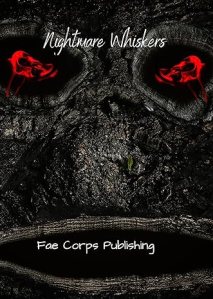
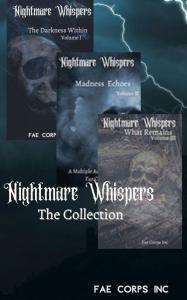
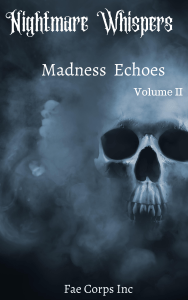
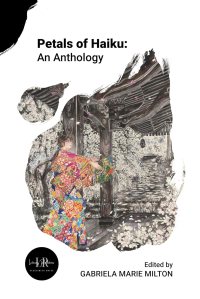
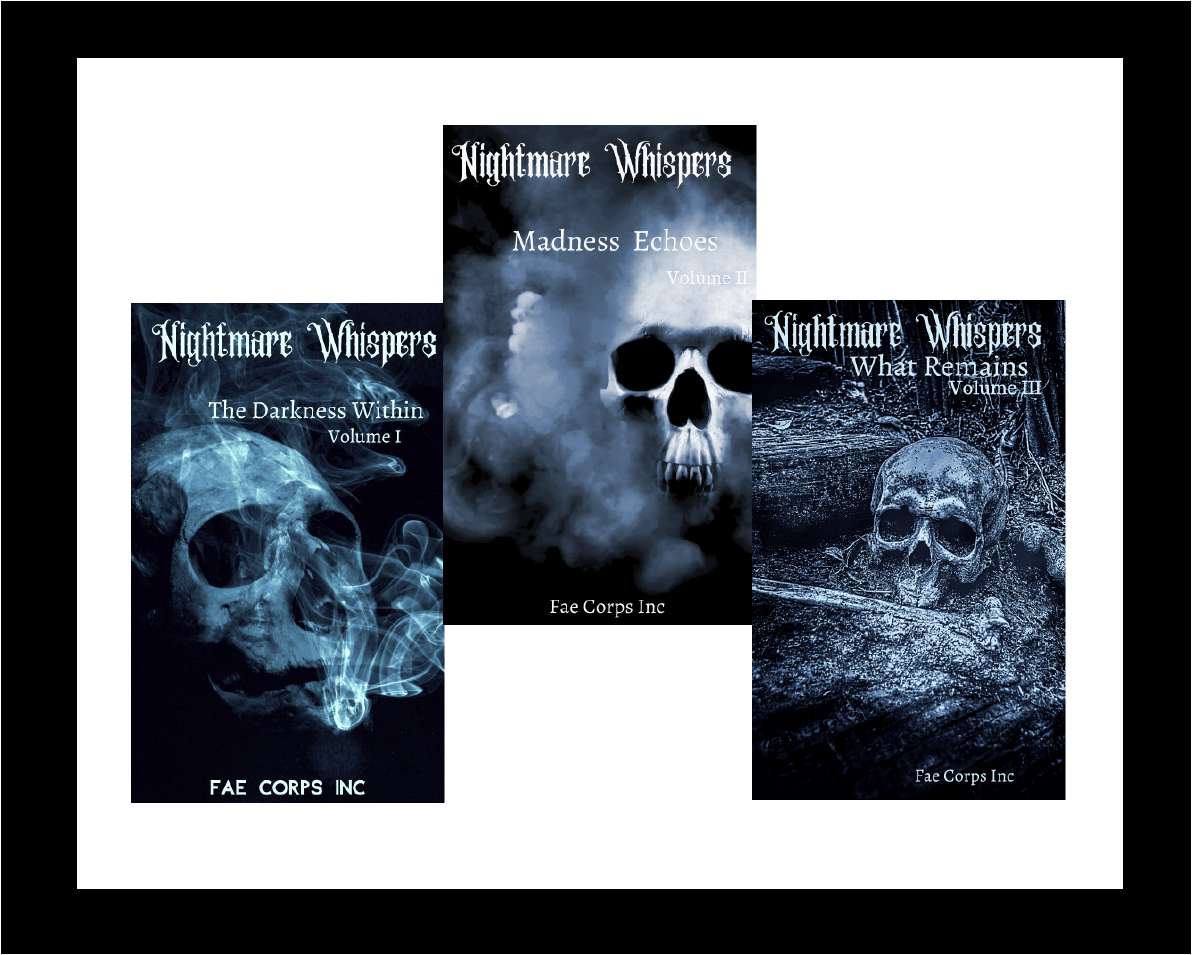
If you’re looking for some reads to get you in a spooky mood this Halloween season, here are a few anthologies featuring my horror-themed work.
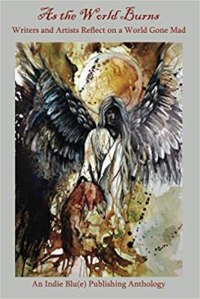
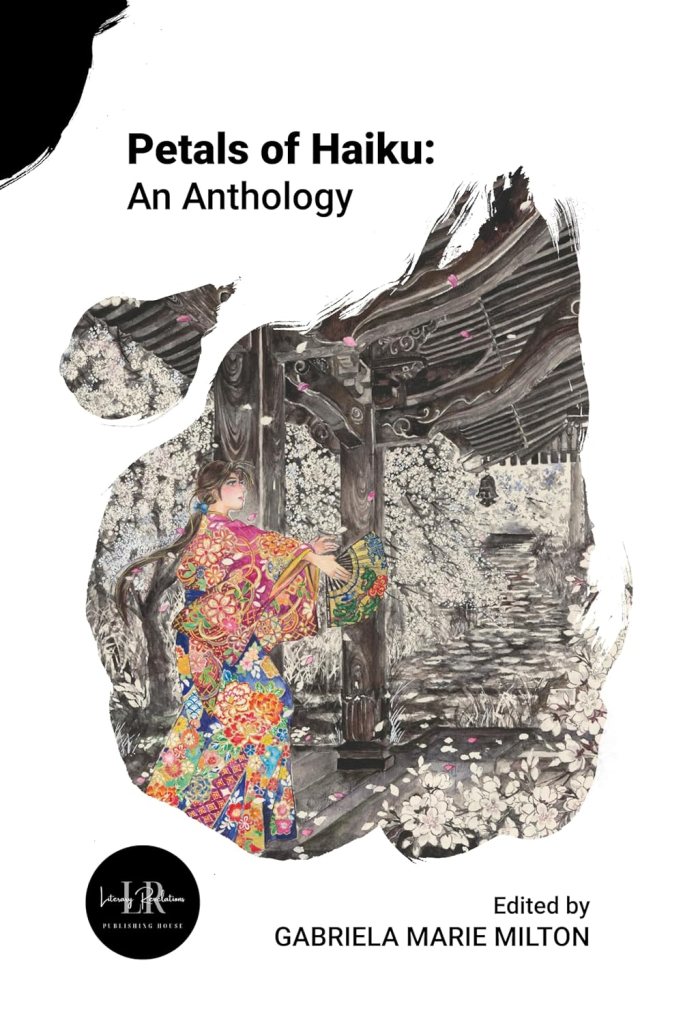
This anthology includes my poem inspired by a real black cat:
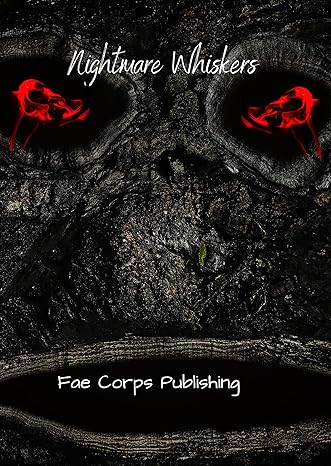
These two include a psychological horror story involving knives and two of my poems, one of which is in the style of “The Raven.” The former includes the latter as well as its companion volumes rolled into one book.
For anyone who wants to follow me on Amazon, I’m aware there are several versions by country, so here are links to all of the ones I’m aware of. If a link does not work, try refreshing it.
Reviews of my work are always appreciated. And remember, verified purchases on one version of Amazon will appear on all of them!
I have to report a factual error that has appeared in my author bio many times. I’d said I was diagnosed with Asperger syndrome age at 14. I was wrong. My initial diagnosis was after I turned 15. My apologies for that error.
Many thanks to Sally for once again featuring one of my posts from last year on her own blog:
As today is the start of Read an eBook Week, here’s all of my work available digitally, whether in Kindle, Nook, or another eBook vendor. If you’re an eBook lover looking for your next read, I hope you find something that piques your interest. If you prefer print, they are available in print, too.
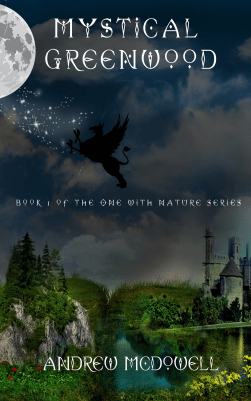
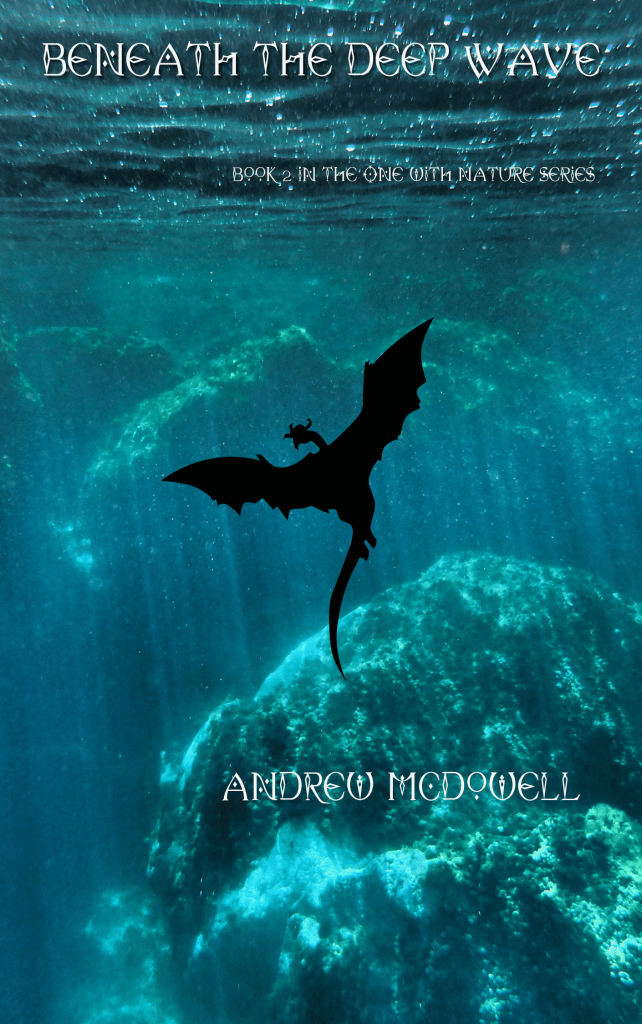
These are my novels, which feature magic, adventure, good vs. evil, forests gryphons, dragons, unicorns, and much more:
And here are all anthologies available digitally and in hard copy that feature my poetry and/or short stories. This one includes my poem inspired by a real black cat:
Ratings/reviews are always appreciated. Mystical Greenwood reached 50 ratings on Amazon US last month! If you already have read and reviewed one of my works, and enjoyed it, please recommend it to a friend!
As it’s also Read Across America Day, I encourage all, not just my fellow Americans, to find the joy in reading and share it with as many people as you can, especially the young.
With the holidays now approaching, whether you are looking for yourself or someone you know, books make great gifts! So I wanted to re-share my published works that are available. In this first post, I’m highlighting my work available in eBook and print.
These are my novels, which feature magic, adventure, good vs. evil, forests gryphons, dragons, unicorns, and much more:
And here are all anthologies available digitally and in hard copy that feature my poetry and/or short stories. This one includes my poem inspired by a real black cat:
With the new year coming, we always think about what we’re going to do differently. I’ve discussed resolutions before, but now I’ll speculate on where things may be going next for me as a writer.
Presently, the sequel to Mystical Greenwood is is in the hand of beta readers, and Fae Corps is aiming to release it in late August, just as the second edition of Mystical Greenwood was. Editing it had been my focus at the end of last year, and since I have always intended for the One with Nature series to be a trilogy, that means there will be one more book about Dermot and his fellow sorcerers.
But as I’ve said so many times, I don’t want to be confined to just one or two genres, so I do hope to venture out into all the others. I’ve had, over the years, different ideas for each, but I have discovered that I can only work on really one or sometimes two at a time. Many of them have really never come to fruition and remained solely based on themes or interests of mine that I’d like to pursue. Now, they could be late bloomers, but an episode of the Merry Writer Podcast from last year encouraged me to consider that I ought to be willing to let go of ideas that don’t grow. That could be.
True, I may not totally give up on all bits of them, but perhaps letting go can lead me to discovering new, better ones instead. Outside of One with Nature, that one mystery story involving abused pets has had the most attention, mainly because of how it had once been a college assignment. Still, I hope to finish it. Some of those themes previously mentioned are in mystery and horror, and I would like to do something in science fiction. I also hope to find some ways to dust off stories from history that, to me, aren’t as well known, but I admit that some of my favorite historical periods have been popular in fiction and film. I would also like to explore science fiction, but nothing concrete has formed in my head.
I won’t go into too many details, but just know that other ideas are there. Plus, they may not all be unique, something discussed in another good Merry Writer Podcast episode, but as long as I have some that I feel are unique, I’ll be content. Case in point, some reviewers of Mystical Greenwood described it as a typical fantasy hero’s journey, which it is, but that the focus on Nature made it stand out. Well, we’ll see where this year goes. Last year I resolved to be more positive and less worried about being perfect. I don’t believe I kept that. All I can do is try again and keep trying.
Many thanks to Sally Cronin for featuring Mystical Greenwood in her Christmas Book Fair. Enjoy this reading from earlier this week of a sneak peek from my next book. Happy Holidays to all!
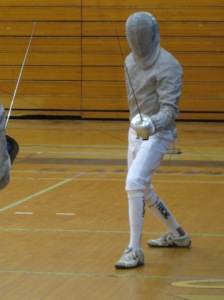
A couple minor publications are in the works! First, the July edition of the MWA‘s literary journal Pen in Hand features my essay about my experiences in the fencing club at St. Mary’s College of Maryland, which also began there as an assignment in a creative nonfiction class I took during my final semester there. The PDF is available! More links will follow when they arrive!
Here’s a picture of me from my college days in full fencing gear:
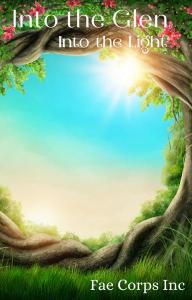
I also have a short story that will be appearing in an upcoming two-part anthology from Fae Corps Inc titled Into the Glen. The story is titled “The Harbor Master,” and it was inspired by real urban legends about monster-sized hammerhead sharks in Florida and Bimini.
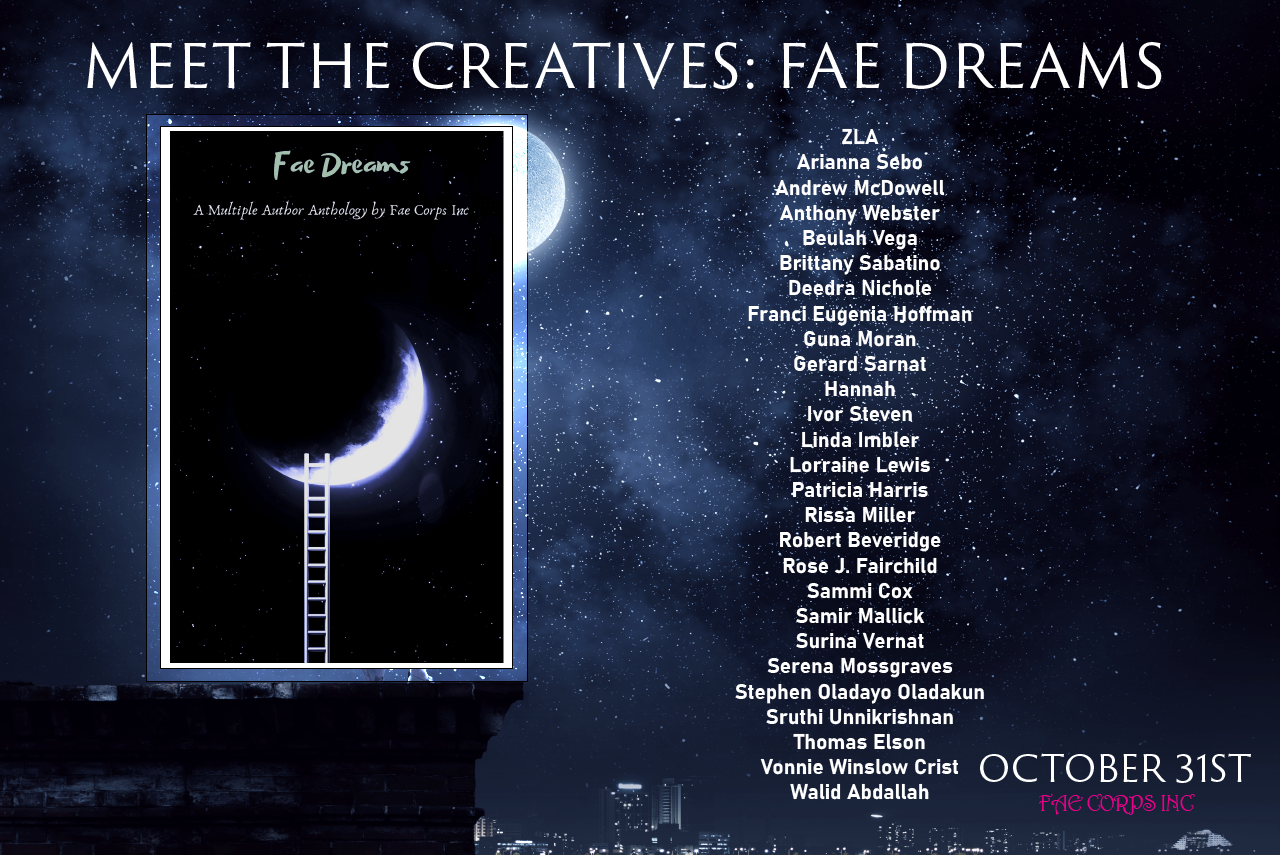
And don’t forget to check out the other anthologies from Fae Corps that I’ve been in as well. Here’s some promotional material from last year’s marketing campaign for two of them, Fae Dreams and Nightmare Whispers, Volume II: Madness Echoes:
With the latter, it can be purchased as part of the whole Nightmare Whispers collection too, if you would prefer to get all three volumes at once rather than individually!
An author’s inscription makes your copy of their work unique to you. If you’re a writer yourself, you remember the story behind the inscription, and the connection made with your fellow writer.
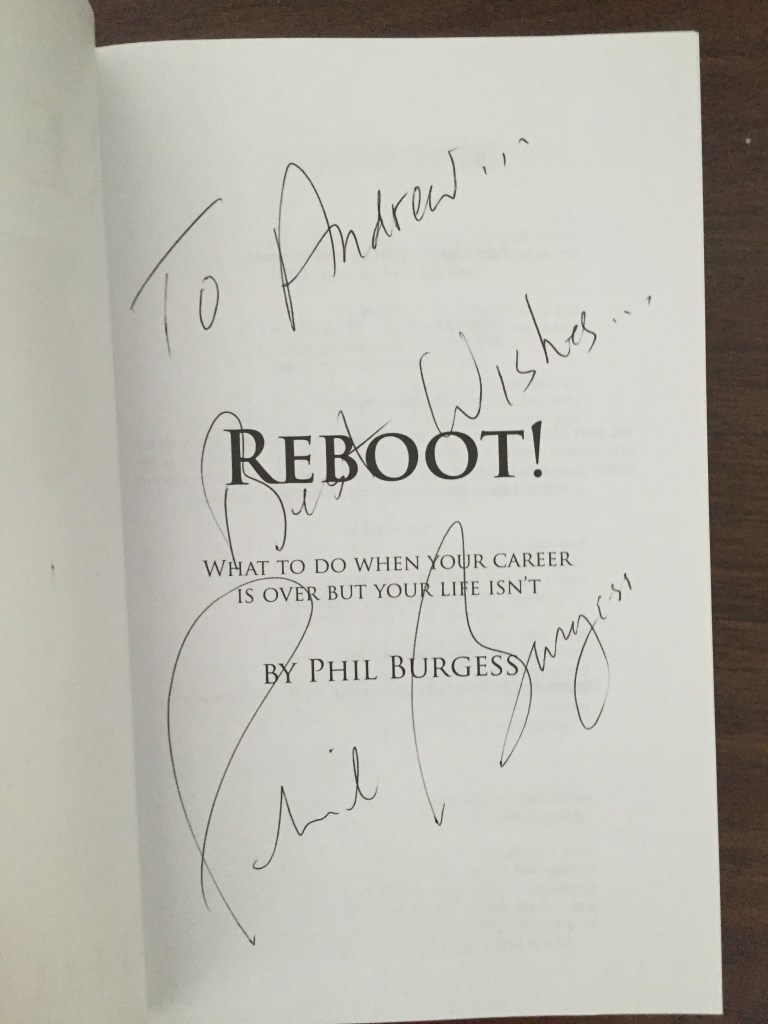
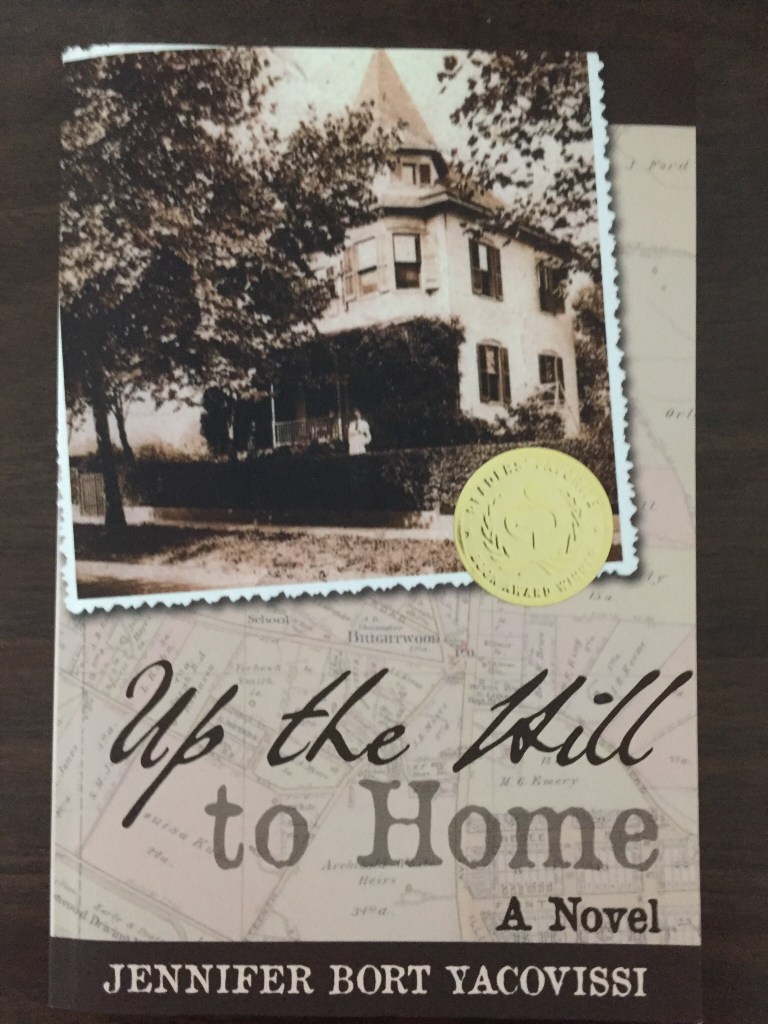
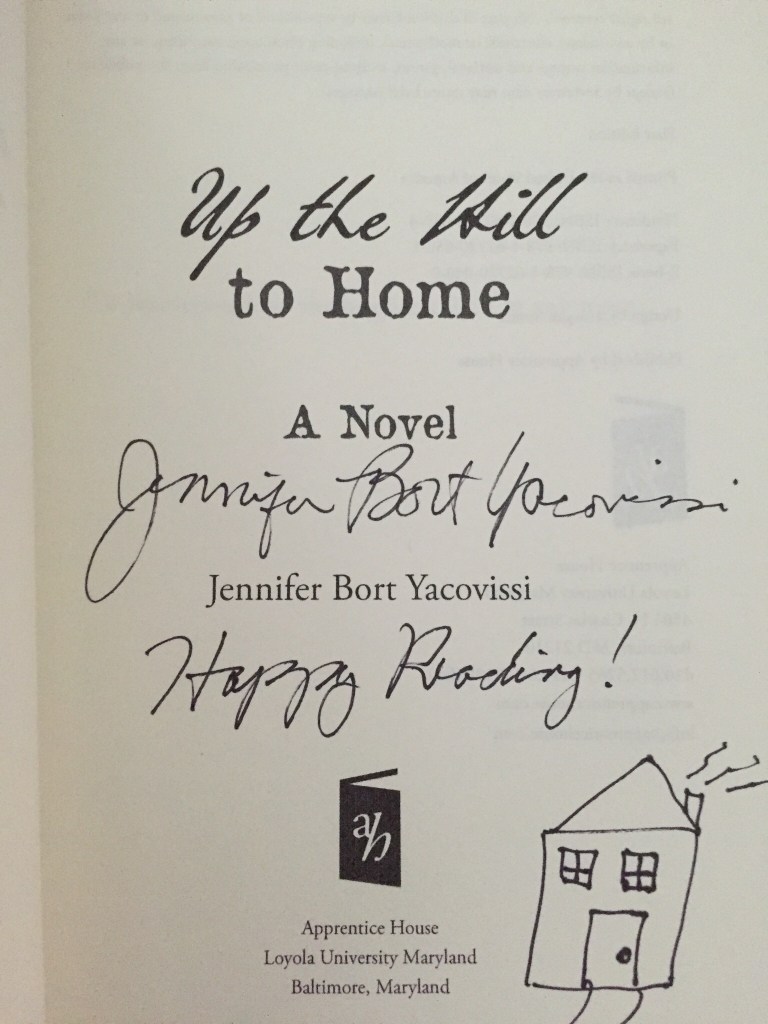
Here are seven inscribed books I own:
A Thousand Acres was inscribed during a weekend event for prospective students specifically interested in creative writing at Washington College, where Jane Smiley was the guest speaker.
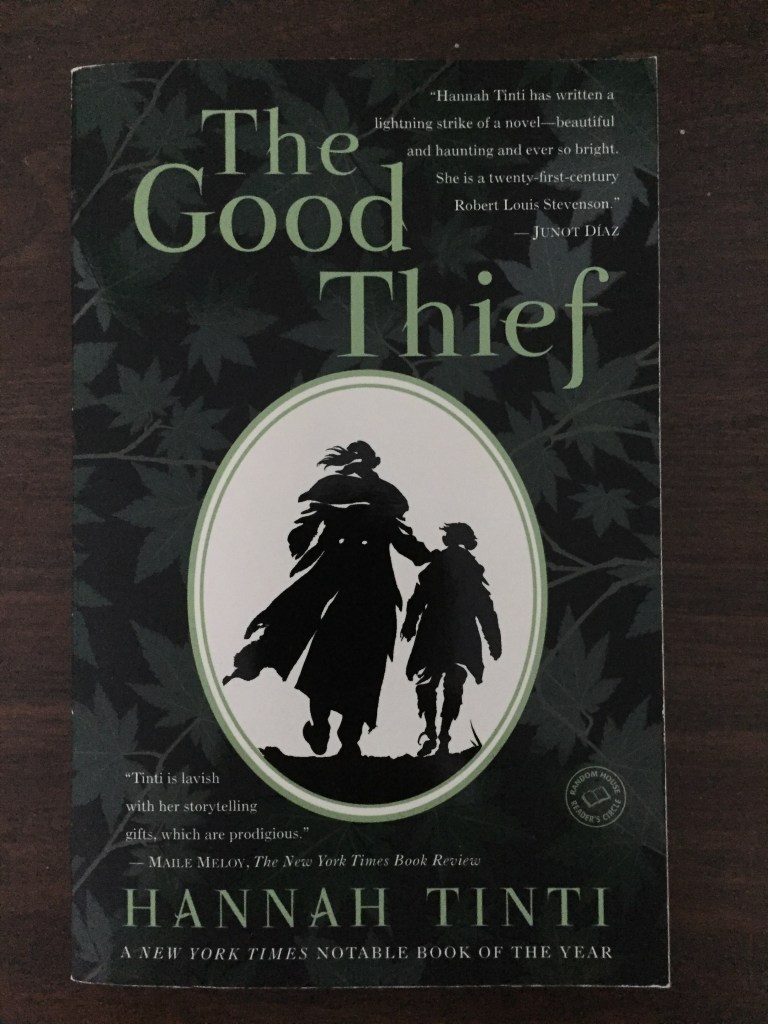
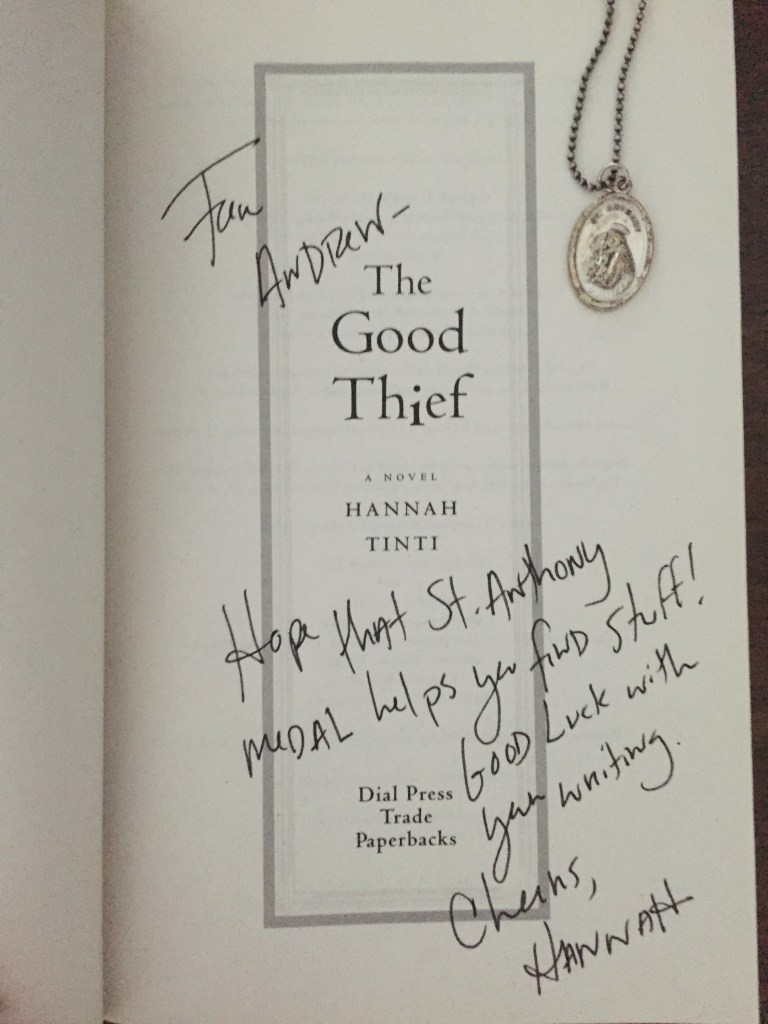
The Good Thief was inscribed at the very last VOICES author reading I attended at St. Mary’s College. I also received from Hannah Tinti during the subsequent Q&A a pendant of St. Anthony, the patron saint of lost things (which you can see in the slideshow’s fourth picture above), who features in the novel along with a “wishing stone” – a stone with a natural, unbroken ring of another color (another student before me received one).
Reboot! and Beyond Blue were both inscribed during different meetings of the Annapolis chapter of the MWA, where Phil Burgess and Austin S. Camacho were the respective guest speakers.
The Last Government Girl was inscribed at the Baltimore Book Festival in September 2015. As I had won second place in the MWA Contest’s creative nonfiction category, Ellen Herbert won in the novel category.
I purchased Up the Hill to Home at Barnes & Noble in Bowie. When I opened it, to my surprise it already bore Jennifer Bort Yacovissi‘s inscription!
In addition to these books, I have an inscribed short story, Gasoline, written by Jennifer Cognard-Black under the pseudonym J. Annie MacLeod. It was given to me as a gift at the end of my first semester at St. Mary’s:
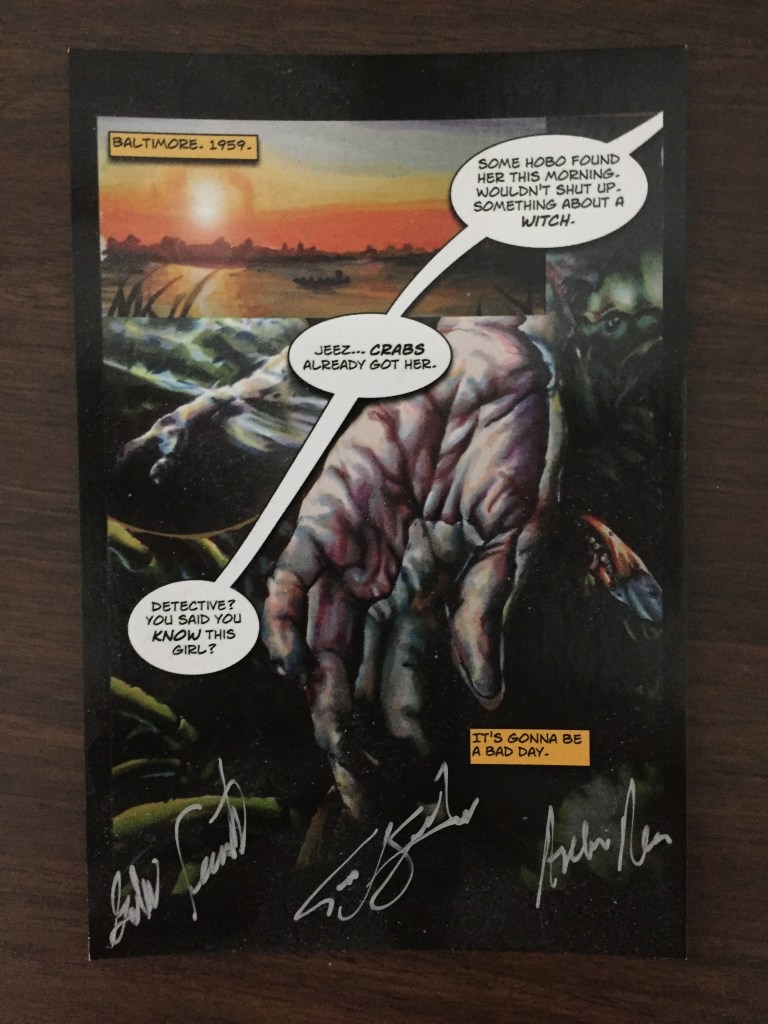
Finally, I have two promotional cards won in a drawing at another meeting of the Annapolis chapter of the MWA, where James L. Gossard talked about his graphic novel Mobtown. They bear his inscription along with those of his collaborators, Gabe Fremuth and Anthony Ness:
I remember inscribing the anthology which included my essay during the previously mentioned Baltimore Book Festival. Someday soon, with future novels, hopefully I will do for others as these authors did for me.
I’ve always been a fan of horror fiction, and every October I watch scary movies all month long. During my first semester at St. Mary’s College, I took a Freshman Seminar called Victorian Monsters and Modern Monstrosities. Professor Jennifer Cognard-Black introduced us (we came to be known as “Marvelous Monsters”) to six archetypes. With each we read a corresponding literary classic:
Freak – Frankenstein
Madwoman – Jane Eyre
Schizo – The Strange Case of Dr. Jekyll and Mr. Hyde
Horrorscape – Alice’s Adventures in Wonderland
Deviant – Dracula
Animagi – The Island of Dr. Moreau
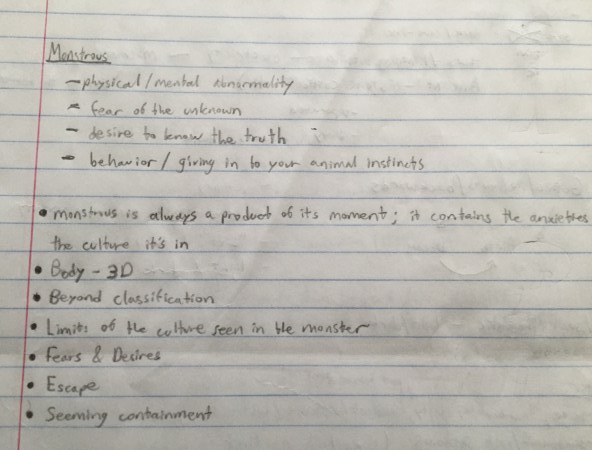
Here are some of my notes from the start of the seminar regarding core themes:
Indeed, these archetypes reflect Victorian social fears and limits. Yet there is something about what’s considered monstrous that draws people in. We delight in feeling terrified. We are interested in the unknown. During Victorian times revolutions were underway in science and philosophy. The establishment clashed with the Enlightenment.
The Freak is considered, as I wrote in my notebook, the “embodiment of cultural anxiety”. Freaks are the ultimate outsiders, who can never fit due to a social abnormality, physical or not. Dr. Frankenstein’s creation is a result of his desire to know higher truth. Yet, out of fear for what he achieved, he abandons his creation. The creature longs to be human. Born innocent, he teaches himself by observing them. Yet they ultimately reject him. Mary Shelley was shunned for being her eventual husband’s mistress while he was still married to his first wife. Shunned himself, Frankenstein’s creation becomes a raging and vengeful monster, but only because society made him one. He still has a heart and feels guilt.
The Deviant can infiltrate society and take it down from within, without guilt. Count Dracula moves to London and attacks young well-born women, who symbolize what is valued by Victorian society. After the character Lucy is vampirized, she attacks children, representative of society’s future. The vampire deviates from social norms through murder and raw sexuality (something Bram Stoker could only reference indirectly in his time), and operates secretively. Yet Dracula is from a different world than Victorian London. His is one of superstition, presenting a clash between Christian and non-Christian. Exotic landscapes and languages are seen as beautiful yet terrifying. Though Victorians saw themselves as cosmopolitan, they enjoyed expressing exotic tastes. Stoker merged old and new, drawing from folklore while using a contemporary setting.
Sometimes what is deviant to one culture is not to another. A Horrorscape can be seen as a Deviant story in reverse. After tumbling down the rabbit hole, Alice enters a world where everything that defined hers, her whole cultural upbringing, is turned upside down. Everyone’s mad. Alice tells the caterpillar she’s not herself. She cannot conform. She’s transgressive. Perhaps the inhabitants of Wonderland saw Alice as a Deviant trying to tear down their world.
The notion of giving in to one’s “animal” instincts is most clearly depicted in Animagi. They represent a move away from rational towards emotional, thus revealing the beast hidden within, which is violent and aggressive. Dr. Moreau’s creations blur the boundary between man and beast. Another famous example is the werewolf. Often those animals personifying evil are feared, exotic predators. Such instincts can be classified as Christian deadly sins: greed, gluttony, anger, and lust. Yet there is something appealing about giving in: a sense of freedom. H. G. Wells defied convention by advocating “free love,” and was notorious for his affairs.
The schizo is the ultimate human split between good and evil, yet it is often unclear which is the true personality. Though Jekyll’s desire to know the unknown results in a physical transformation (which is not required for schizos), it can exist solely within the mind), even if Hyde is guilty of crimes Jekyll would never commit, Hyde is still a part of him, and slowly takes over. It calls into question identity itself. Identity is in turn reflected in residency and possessions. Jekyll lives in a respectable, cosmopolitan neighborhood; Hyde’s is far less respectable. Once I watched a documentary discussing how Robert Louis Stevenson’s birthplace, Edinburgh, was a city divided between old and new, rich and poor, suggesting that duality may be what inspired his story.
Victorians had a dual perspective regarding women, at a time when many like Shelley’s mother began challenging the status quo and seeking rights in what was still a male-dominated world (a world in which Shelley published anonymously while Charlotte Brontë and her sisters used male pseudonyms). On one side was virginity, marriage and motherhood. On the other were Madwomen: temptresses, mistresses, witches – women who played upon men’s desires, using their femininity for selfish, nefarious purposes. The lunatic Bertha Mason prevents Jane Eyre from marrying Rochester because she’s his wife (though she would later be portrayed as a victim in Wide Sargasso Sea). She dominates Rochester through marriage. Madwomen seek power over men, and greater knowledge (tied back to Eve in Eden). Women were linked symbolically with Nature because of their ability to bear children. Sometimes madwomen were associated with water and drowning, though Bertha herself dies by fire.
People are inexplicably drawn to what terrifies them. These fears and anxieties live on today. There are still outsiders, some by choice and others who have none. Criminals deviate. We all struggle with primal urges and desires. Wherever there are rules, there are always rebels. Perhaps that is why we still enjoy horror fiction. That seminar was the highlight of my first semester. I loved it. Hopefully someday I’ll apply some of these themes to horror stories of my own.